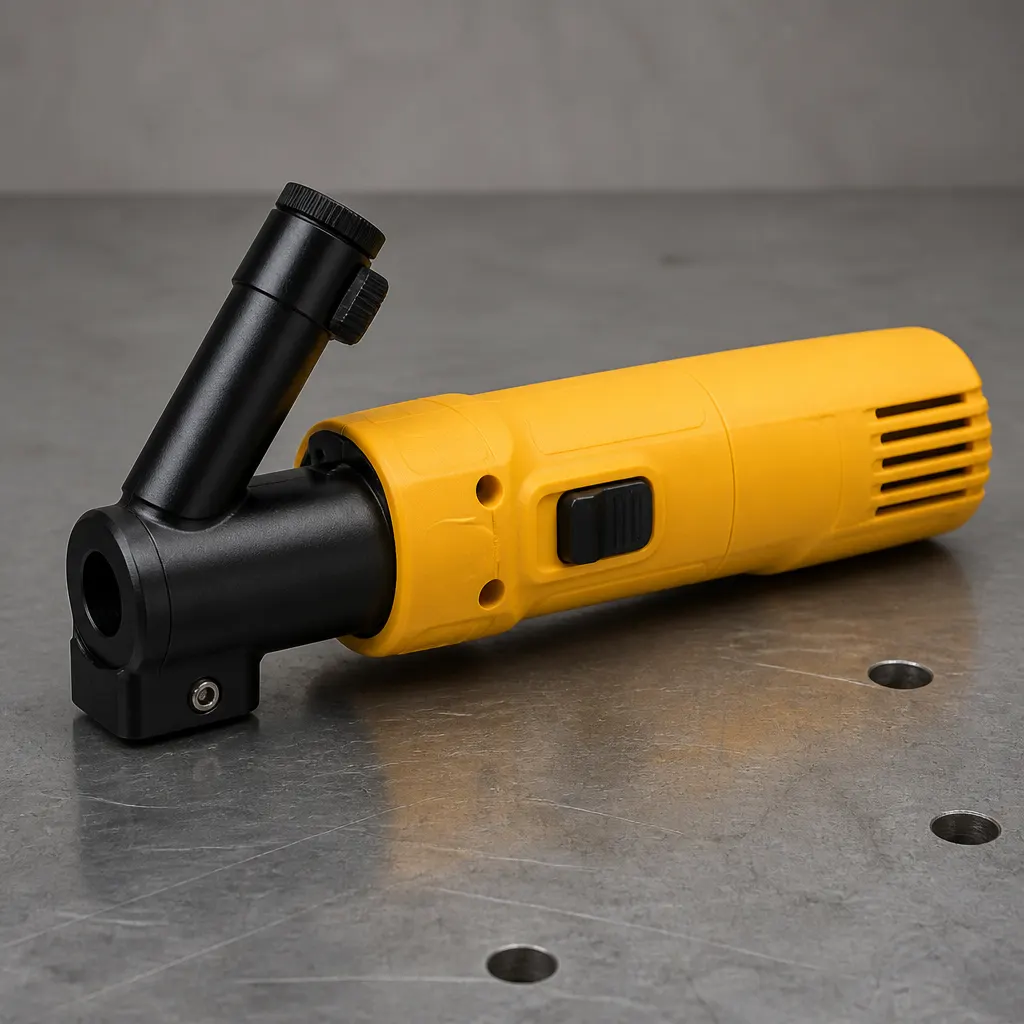
What to do after dipping tungsten at a UK welding bench
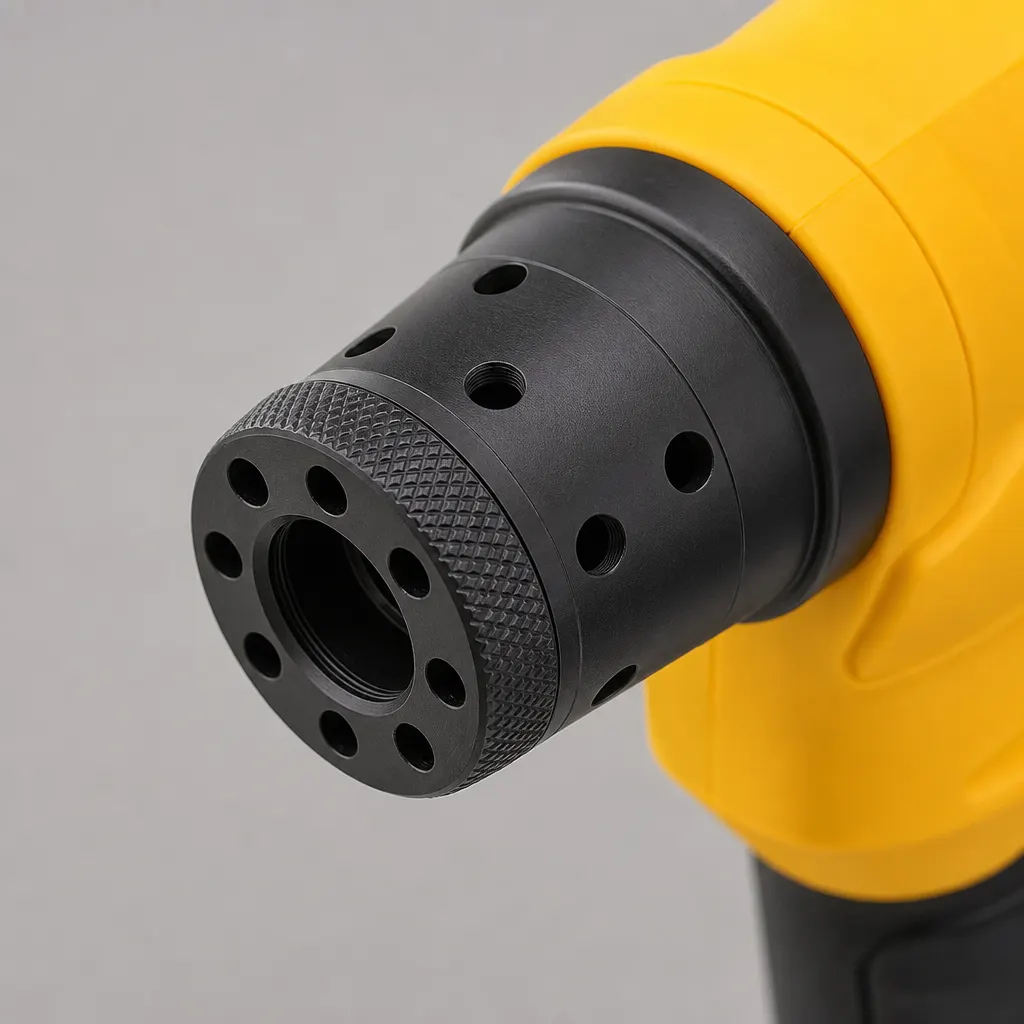
If you have just touched the weld pool or filler with the tungsten, stop treating the electrode as ready to weld and make the next step about restoring the tip. A tungsten electrode sharpener after dipping tungsten is useful when the main problem is interruption: you need a dedicated way to prepare the electrode close to the TIG bench, vehicle repair bay, small workshop frame jig or home-garage welding table, rather than walking away to a shared grinding area every time the point is contaminated.
The documented product here is a Compact TIG Tungsten Electrode Grinder, locked to the listed 7 x 5.5 x 5.5 cm variant. That matters because the decision is not whether every TIG user needs a large specialist station. It is whether a small tungsten-preparation tool, kept near the work area, fits the rhythm of your job. The strongest case is a practical one: repeated dips, limited bench space and a wish to keep tungsten prep separate from general metal grinding.
Where this job happens in a real UK workshop
Picture a small motorsport workshop in Birmingham, a stainless repair bench in Leeds, or a home garage in Kent where the TIG set is already sharing space with clamps, filler rods, gloves and offcuts. The dipped tungsten is not an abstract welding problem there. It is the moment when you either keep the job moving with a nearby preparation routine or break your concentration by going to another part of the workshop to sort the electrode.
The compact size is the relevant documented fact for this setting. At 7 x 5.5 x 5.5 cm, the listed variant is positioned as a small tool for electrode preparation close to the work area. That does not prove it suits every bench, every tungsten size or every workload, because those details are not supplied. It does give a buyer a clear starting point: measure the place where you would actually keep it, not the empty space you imagine having after a tidy-up.
What the documented product facts actually support
The safe facts are narrow, and that is useful. The item is described as a compact tungsten electrode grinder for TIG welding preparation. It is locked to the listed size variant labelled 7 x 5.5 x 5.5 cm. The supplied information also says the selected size configuration is explicit and that unverified plug, accessory and performance claims are excluded. In plain language, you can treat it as a compact TIG tungsten preparation tool, but not as a bundle with unknown extras.
That distinction helps avoid a common buying mistake. Search results for sharpeners, grinders, wheels, electrodes and TIG welders can blur together, especially for a beginner trying to solve one repeated annoyance. This article can say the tool is designed for preparing tungsten electrodes used in TIG welding. It should not claim a verified abrasive type, angle-control mechanism, included accessories, plug type, certification, tested performance or guaranteed weld improvement, because those facts are not in the supplied record.
Checks before choosing it for a dipped-tungsten routine
Use this working checklist at your bench before you buy. First, check the task: are you mainly touching up tungsten electrodes after dipping them, rather than looking for a general workshop grinder? Second, check the space: can a 7 x 5.5 x 5.5 cm compact unit live close enough to the welding area to save a real interruption? Third, check separation: do you want tungsten preparation kept away from a shared wheel used for steel, paint, rust or rough shaping? Fourth, check expectations: are you comfortable with unknown plug, accessory, abrasive and performance details?
Then check the job type. For a home-garage learner practising beads on scrap, the appeal may be a simple dedicated place for electrode prep without building a DIY rig. For a small fabrication shop, the appeal may be having a tungsten-only routine close to the bench. For precision-focused work, the appeal is not a magic result; it is a more deliberate preparation step. If you need documented wheel material, exact compatibility, power details or compliance information before purchase, the current facts leave those questions unanswered.
When a compact sharpener may not be the right answer
Do not buy this type of compact tool on the assumption that it replaces every larger tungsten-grinding setup. The supplied facts do not verify production capacity, duty cycle, tungsten diameter range, wheel material, power arrangement or accessory contents. If your work depends on a formally specified preparation process, or if your workshop requires documented compliance information before any electrical or abrasive tool is used, you should treat those missing details as decision blockers rather than small print.
It may also be a poor match if your real problem is not dipped tungsten but broader grinding work. A tungsten electrode preparation tool is not a TIG welder, not a set of electrodes, not an angle grinder and not a general bench grinder for shaping metal. If you regularly need to remove heavy contamination, rework badly damaged electrodes or run a busy production workflow, a compact work-area tool might still have a role, but the supplied facts do not prove it can carry that whole workload.
How beginners should compare it with improvised sharpening
For a UK home-garage TIG learner, the decision often sits between three options: use whatever grinder is already in the garage, dedicate a wheel or method to tungsten, or buy a small purpose-labelled tungsten preparation tool. The compact grinder’s documented advantage is not a promised weld result. It is clarity of role: it is designed for preparing tungsten electrodes used in TIG welding and is small enough, by its listed dimensions, to be considered for the welding bench area.
The improvised route can look cheaper, but it asks you to manage more of the routine yourself: where the wheel has been used, how you keep the electrode handling consistent, and how much time you lose resetting after each dip. The compact tool route asks a different question: is convenience and separation worth the price for your level of TIG work? Because the listing excludes unverified extras and performance claims, the honest comparison is about workspace, routine and confidence in the stated size, not about guaranteed arc behaviour.
How small fabricators can make the decision practical
For a small fabrication shop, the most useful way to judge the product is to map the dipped-tungsten moment. Where is the TIG torch? Where are the filler rods? Where do contaminated or blunt tungstens go? Where is the shared grinder? If the answer involves walking across the workshop or joining a queue for a wheel used on general metalwork, a compact tungsten-prep point near the welding bench may remove friction from the process.
Keep the buying standard evidence-led. The verified product title is Compact TIG Tungsten Electrode Grinder, 7 x 5.5 x 5.5 cm. The verified role is tungsten electrode preparation for TIG welding. The verified format is compact. Everything else should be checked on the live product page or with the seller before relying on it. That includes plug details, included accessories, abrasive material, supported electrode sizes and any workplace compliance requirement your shop applies.
A grounded next step before you buy
Before adding a tungsten electrode sharpener after dipping tungsten to your bench, run a simple two-minute audit during your next TIG session. Count how often you stop because the tungsten has touched the puddle or filler. Notice whether the interruption is the sharpening itself, the walk to the grinder, the search for a clean wheel, or uncertainty about how the point was prepared. That tells you whether a compact dedicated tool would solve the annoying part of the job.
If the answer is yes, compare the documented facts against your own bench: 7 x 5.5 x 5.5 cm size, TIG tungsten electrode preparation purpose, compact work-area format, and no verified claims for plug, accessories, wheel type, certification or performance. If those facts are enough, the product is a straightforward candidate for a tidier tungsten-prep routine. If the missing details matter to your workshop, pause and get them confirmed before treating it as the right tool.